
HPE Cray XD2000 (Dense 2U Multi-Node, Dual 5th Gen Xeon/EPYC)
Up to four dual-socket nodes per 2U for dense HPC and inference.
We help you choose, configure, and deliver the right system — no obligation.
Configuration at a Glance
Tailored per engagement. Full technical overview below.
Configuration Options
Core specifications for this system. Every component is configurable to your workload — request a quote for a tailored build.
5th Gen Intel Xeon Scalable or 5th Gen AMD EPYC 9005
DDR5-5600 (Intel) / DDR5-6400 (EPYC) per node
Per-node NVMe / SATA (configurable)
Overview
The HPE Cray XD2000 packs up to four half-width dual-socket server nodes into a shared 2U chassis, delivering roughly four times the density of a traditional rack server. Nexus Compute supplies it specified, integrated, and tested for tightly coupled HPC and CPU-dense scale-out, backed by HPE warranty through authorized channels.
Who This Solution Is For
Business Benefits
Extreme compute density
Four dual-socket nodes per 2U chassis multiply cores per rack and cut floor space for large clusters.
Shared-infrastructure efficiency
Pooled power and cooling with N+N or N+1 redundancy lowers per-node overhead at scale.
CPU architecture choice
Intel Xeon or AMD EPYC node options let us match the platform to your code and licensing economics.
Typical Business Use Cases
Tightly coupled MPI and CFD simulation
CPU-based AI inference at scale
Large-scale data analytics and modeling
Dense general-purpose HPC clusters
Industry Applications
Technical Overview
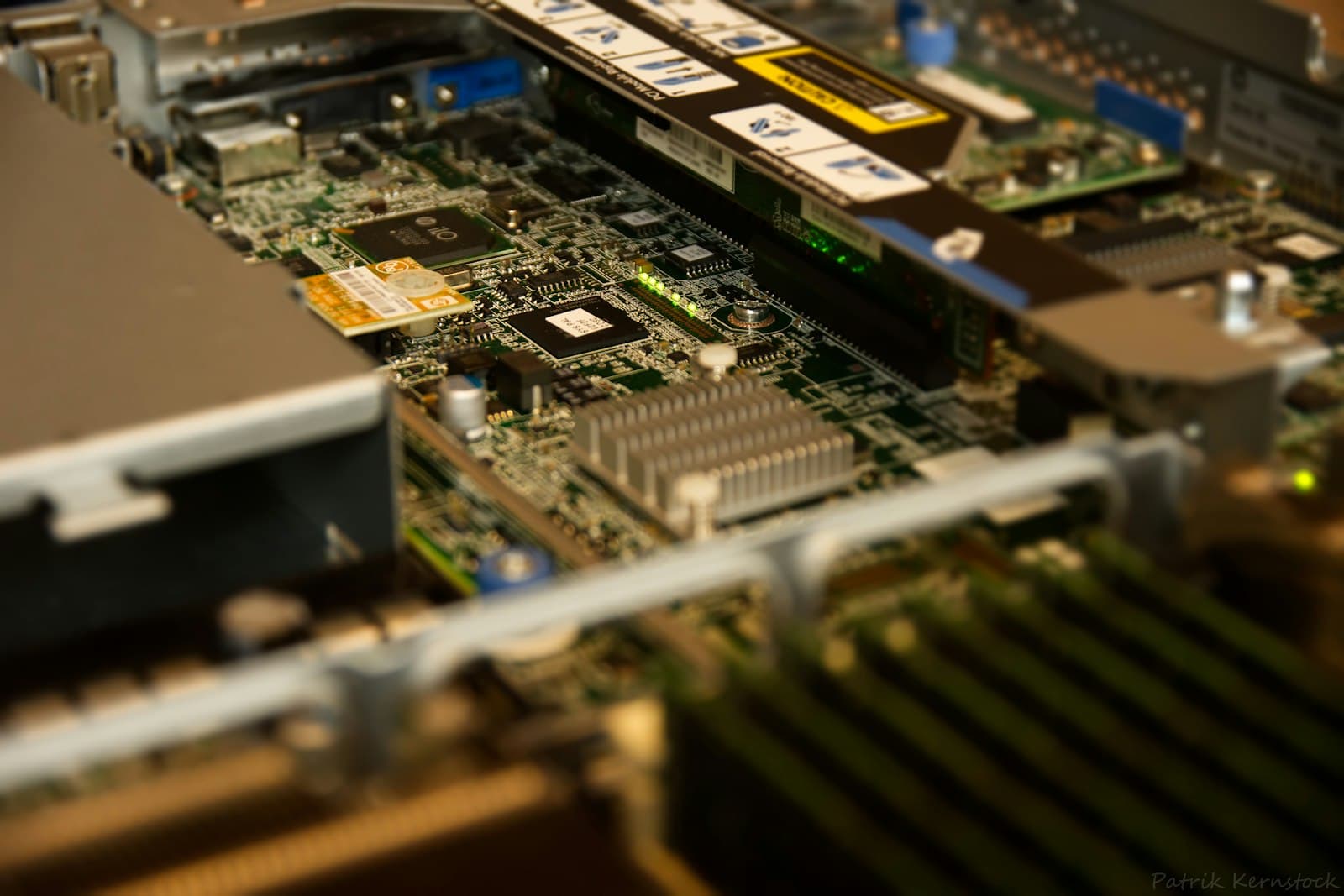
The XD2000 2U chassis houses up to four 1U half-width dual-socket nodes (XD220v/XD225v) or two 2U nodes (XD295v) on 5th Gen Intel Xeon or 5th Gen AMD EPYC processors, with up to 9600W of shared N+N power. Each node carries dedicated DDR5 and PCIe Gen5 for high-speed fabric, with a plug-and-play direct liquid cooling option for dense racks.
| Compute Nodes | Up to 4x 1U dual-socket nodes (or 2x 2U) per 2U chassis |
| CPU | 5th Gen Intel Xeon Scalable or 5th Gen AMD EPYC 9005 |
| Memory | DDR5-5600 (Intel) / DDR5-6400 (EPYC) per node |
| Storage | Per-node NVMe / SATA (configurable) |
| Networking / Fabric | PCIe Gen5 for InfiniBand NDR / Slingshot 11 / Ethernet |
| Form Factor | 2U shared chassis, half-width nodes |
| Power | Up to 9600W, N+N or N+1 redundant |
| Cooling | Air-cooled or plug-and-play DLC |
| Warranty | HPE support, configurable terms |
Specifications are indicative and configured to each engagement. Request a quote for a configuration tailored to your requirements.
Warranty, Support & Fulfillment
Every system ships from an authorized channel, configured and tested, with the documentation enterprise buyers need — backed by warranty and a dedicated account team.
Enterprise Warranty
Full manufacturer warranty with optional on-site, next-business-day support and extended coverage.
Authorized Channel
Sourced through Tier-1 distribution and OEM partners — never grey market. Asset & warranty records included.
Lead Time & Deployment
48-hour quotes, then configured, burn-in tested, and delivered on a committed schedule.
Nationwide Fulfillment
Coordinated logistics, rack-and-stack, and delivery wherever your infrastructure lives.
Frequently Asked Questions
How many cores can we fit per rack with the XD2000?
With up to four dual-socket nodes per 2U, a standard rack hosts a very high core count for MPI and inference workloads. We calculate core, memory, and power density for your exact node choice and rack budget.
Should we pick Intel Xeon or AMD EPYC nodes?
EPYC 9005 offers more memory channels and cores per socket for bandwidth-bound and core-dense work, while Xeon may suit codes tuned to its instruction set or specific licensing. We benchmark and advise per workload.
Is the XD2000 a GPU system?
It is primarily a CPU-dense compute platform with limited GPU options per node; for dense 8-GPU AI training we recommend the Cray XD670 or XD675. We position each platform to the right workload.
Hardware Assistance
Configure the HPE Cray XD2000 (Dense 2U Multi-Node, Dual 5th Gen Xeon/EPYC) with Nexus Compute
Tell us your requirements and a hardware specialist will help you specify, configure, and quote the right system — typically within two business days. No obligation.